
Leading Selection Of Heating Installation Tools And Devices
Equip yourself with essential tools and devices for professional-grade heating installation projects.
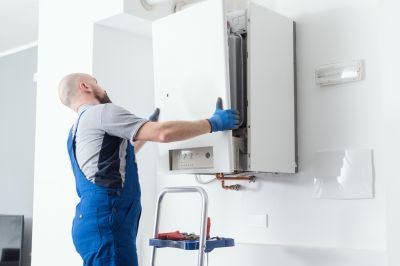 Heating installation products encompass a wide range of equipment designed to provide reliable warmth in residential, commercial, and industrial spaces. These products include various types of heaters, thermostats, piping systems, and control units that work together to deliver efficient and consistent heating performance. When selecting heating installation products, it is important to consider the specific requirements of the space, such as size, insulation, and usage patterns, to ensure optimal comfort and energy efficiency.
Top Overall Option
Universal Heating System Component
A versatile and adaptable heating system component designed to integrate seamlessly with various heating setups. It offers reliable performance, easy installation, and compatibility with multiple control options, making it suitable for a wide range of applications. This product emphasizes durability and straightforward operation, serving as a dependable core for many heating installation configurations.
Types of Products For Heating Installations
Radiators
Surface-mounted units that emit heat through convection or radiation, suitable for various room sizes and styles.
Baseboard Heaters
Low-profile heating units installed along baseboards, providing even heat distribution in rooms.
Forced-Air Furnaces
Systems that blow heated air through ductwork to distribute warmth efficiently across large spaces.
Infrared Heaters
Heaters that emit infrared radiation to directly warm objects and people in their path, ideal for targeted heating.
Hydronic Heating Systems
Systems that circulate heated water through pipes to radiators or underfloor heating setups for consistent warmth.
Thermostats
Devices used to regulate and maintain desired temperatures within a space, often programmable and smart-enabled.
Piping and Fittings
Essential components for hydronic systems, including pipes, valves, and fittings to connect and control heated water flow.
Heat Pumps
Systems that transfer heat from outside to inside, capable of providing both heating and cooling functions.
Radiant Floor Heating
Underfloor systems that provide consistent warmth by circulating heated water or electrical elements beneath the surface.
Ventilation and Exhaust Fans
Components that help manage air quality and remove excess heat or moisture from heating spaces.
Control Panels
Central units that manage multiple heating components, often featuring programmable settings and remote access.
Zone Valves
Valves that control flow of heated water or air to specific zones within a building for targeted temperature management.
Expansion Tanks
Components that accommodate water volume changes in hydronic systems, helping to prevent pressure issues.
Pump Systems
Pumps that circulate heated water through hydronic piping networks for efficient distribution.
Safety Devices
Includes pressure relief valves, sensors, and shut-off switches to ensure safe operation of heating systems.
Insulation Materials
Materials used to insulate pipes and components, reducing heat loss and improving efficiency.
Popular Choices
Compact units that provide immediate heat and can be moved between rooms as needed.
Smart devices that allow for scheduling and remote control of heating systems for convenience.
Wall-mounted units that deliver direct radiant heat, suitable for quick warming of specific areas.
Slim, wall-mounted panels that circulate heated water for space heating.
Heating and cooling units that do not require ductwork, offering flexibility for different spaces.
Electric units installed along baseboards, providing supplemental or primary heating.
Insert units designed for installation into existing fireplaces, offering an alternative heating source.
Efficient boilers that heat water for hydronic systems, suitable for larger installations.
Flexible mats that can be placed under flooring to provide radiant heat at the floor level.
Heavy-duty curtains designed to retain heat within a room, complementing primary heating systems.
Mobile units that use propane fuel to generate heat, suitable for outdoor or well-ventilated indoor areas.
Compact, fan-assisted units that quickly distribute heat in small spaces.
Heaters designed for outdoor use, providing direct radiant warmth in open areas.
Wireless valves that allow individual control of radiator temperature zones via smartphone or automation.
Complete kits for installing radiant heating beneath floors, suitable for renovation or new construction.
Proper installation and compatibility are crucial factors that influence the effectiveness of heating systems. For example, choosing the right type of heater—be it a radiator, baseboard heater, or forced-air system—depends on the building layout and user preferences. Additionally, the integration of thermostats and control units can enhance user experience by allowing precise temperature regulation and scheduling. Regular maintenance and quality components can help extend the lifespan of the system and prevent unexpected failures.
Advancements in heating technology have introduced smart controls and programmable features that allow users to manage their heating systems remotely or set customized schedules. These innovations can contribute to energy savings and increased convenience. However, it remains essential to select products that are compatible with existing infrastructure and meet safety standards. Consulting with professionals or thoroughly researching product specifications can aid in making informed decisions that align with specific heating needs.
Key Buying Considerations
- Assess the size and layout of the space to determine the appropriate heating capacity.
- Decide between electric, gas, hydronic, or infrared options based on existing infrastructure and preferences.
- Consider the compatibility of the product with existing control systems, including smart home integration.
- Evaluate energy efficiency ratings to understand potential operational costs.
- Ensure the product meets safety standards and includes necessary safety features.
- Determine the ease of installation and whether professional assistance is required.
- Review maintenance requirements and accessibility for service or repairs.
- Think about zoning capabilities for targeted heating control in different areas.
- Check for compatibility with thermostats and automation systems for convenience.
- Consider the durability and build quality to ensure long-term performance.
- Evaluate the availability of replacement parts and accessories.
- Assess noise levels, especially for units installed in living or sleeping areas.
- Review user feedback and ratings for insights into real-world performance.
- Determine the flexibility of the system for future expansion or upgrades.
- Account for any local building codes or regulations related to heating equipment.
This page contains affiliate links. We may earn a commission from qualifying purchases, which helps support our content and recommendations.